
Destination Research Methods That Actually Save Time
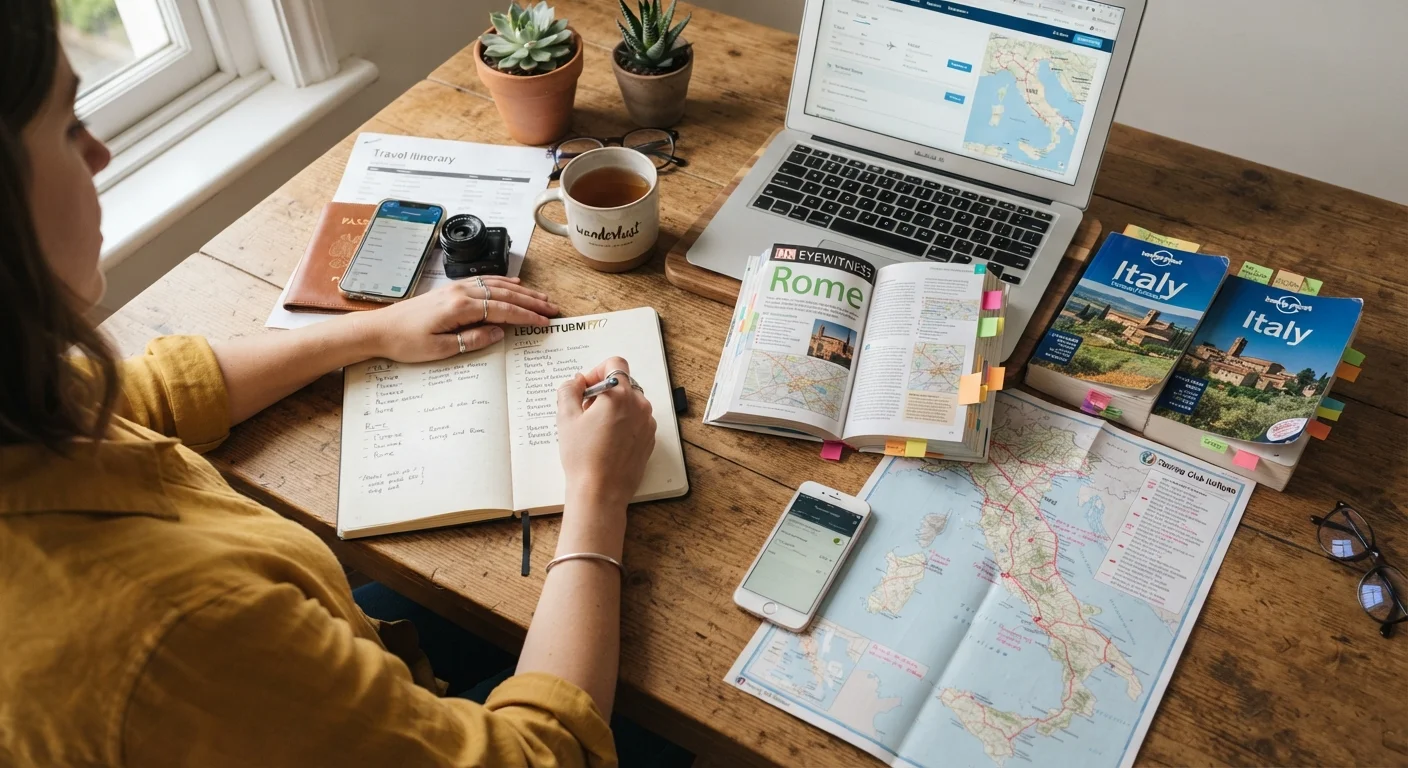
Photo credit: QuickInsights.net
In this article
From official tourism boards to traveler forums, explore which research sources are most reliable and how to combine them effectively.
Key Takeaways
- Official tourism boards and government travel advisories provide the most reliable baseline information for any destination.
- Traveler forums and recent trip reports add on-the-ground context that official sources often lack.
- Cross-referencing at least three source types helps filter out outdated, sponsored, or anecdotal information.
- Organizing research by category - logistics, safety, budget, culture - prevents information overload.
- Knowing when to stop researching is as important as knowing where to start.
Why Most Destination Research Goes Wrong
Most travelers don't lack access to information - they're overwhelmed by it. A single destination search can return sponsored blog posts, years-old forum threads, tourism board marketing, and contradictory Reddit opinions all at once. Without a framework for evaluating sources, it's easy to spend hours researching and still feel uncertain.
The core problem is treating all sources as equal. A travel influencer's itinerary and a government entry-requirements page serve completely different purposes. Conflating them leads to wasted time, missed details, and surprises that could have been avoided. This guide outlines a structured approach to research that distinguishes source types, assigns each its proper role, and keeps planning manageable. If you're just getting started, see our trip planning guide for first-timers for a broader overview of the process.
The Four Source Categories Every Traveler Should Use
Effective destination research draws from four distinct categories, each contributing something the others can't.
1. Official and Government Sources
Start here. Your government's travel advisory system (such as the U.S. State Department's travel.state.gov) provides up-to-date safety assessments, entry requirements, and alerts. The destination country's official tourism board fills in cultural context, major attractions, and practical visitor logistics. These sources aren't exhaustive, but they establish a factual baseline and flag anything that should give you pause before you invest more planning time. Always verify visa, vaccination, and border requirements directly with official sources - these details change, and no third-party site can guarantee accuracy at the time you travel.
2. Recent Traveler Reports
Forums like TripAdvisor's destination communities, Reddit's travel subreddits, and niche Facebook groups provide firsthand accounts that official sources rarely match. The critical word is recent - filter for posts from the past six to twelve months, since infrastructure, pricing, and safety conditions shift. Look for specifics: transit times, neighborhood quality, cash vs. card access, and seasonal crowd levels. Treat anecdotes as data points to triangulate, not verdicts to accept wholesale.
3. Travel Guidebooks and Editorial Sites
Well-researched guidebooks (print or digital) offer curated context - historical background, regional nuances, and practical frameworks - that raw forum posts often skip. Independent editorial travel sites can serve a similar function. Be alert to publication dates; logistics sections go stale faster than cultural sections. Use these sources to understand the destination's shape rather than to confirm current operational details.
4. Local and Specialist Sources
For anything beyond a mainstream destination, seek out locally produced content: regional tourism boards, local English-language news outlets, and destination-specific blogs written by residents or long-term visitors. These sources surface details - neighborhood safety variations, seasonal closures, cultural etiquette - that broader platforms frequently miss. Our destination overviews hub can also help you orient to a region before diving into specialist sources.
Organizing What You Find
Gathering information without structure creates its own problem. Build a simple research document organized by category: entry and logistics (visas, vaccinations, currency, transit), safety (advisories, neighborhood notes, emergency contacts), budget benchmarks (accommodation ranges, meal costs, common transport fees), and itinerary inputs (must-see sites, opening hours, seasonal considerations). This structure lets you spot gaps quickly - if your safety section is empty after an hour of research, that's a signal, not an oversight.
When you're planning a remote or unfamiliar destination, this organized approach becomes especially important. Our pre-trip reality check for remote destinations walks through a verification checklist worth running before you commit to booking. Once your research is solid, you can use it to inform a practical itinerary - see what makes a well-built travel itinerary for how to structure your time on the ground.
Knowing When to Stop
Over-researching is a real phenomenon. At a certain point, additional sources yield diminishing returns and can actually increase anxiety by surfacing edge cases that aren't meaningfully likely to affect your trip. A practical threshold: once you can answer the core questions in each research category with consistent, cross-verified information, you're ready to move to planning. Remaining uncertainties - local restaurant quality, exact weather on a specific date - are better resolved on the ground than from a desk.
Research also feeds directly into your budget. Knowing actual cost ranges for accommodation, food, and transport prevents the kind of under-budgeting that derails trips mid-journey. For a structured approach to turning your research into realistic cost estimates, see our guide on building a travel budget that holds up.
This article provides general travel planning information. Always verify entry requirements, safety conditions, and travel advisories with official government sources before booking or traveling, as conditions can change.

Author
Travel Editorial Team
Travel Editorial Team is the collective byline for our editorial team and contributor network. Articles published under this byline or an editorial pen name are researched, written, and reviewed according to our editorial standards for clarity, consistency, and independence before publication.
View all articles →