
Becoming a Landlord for the First Time: The Realities Behind Rental Income
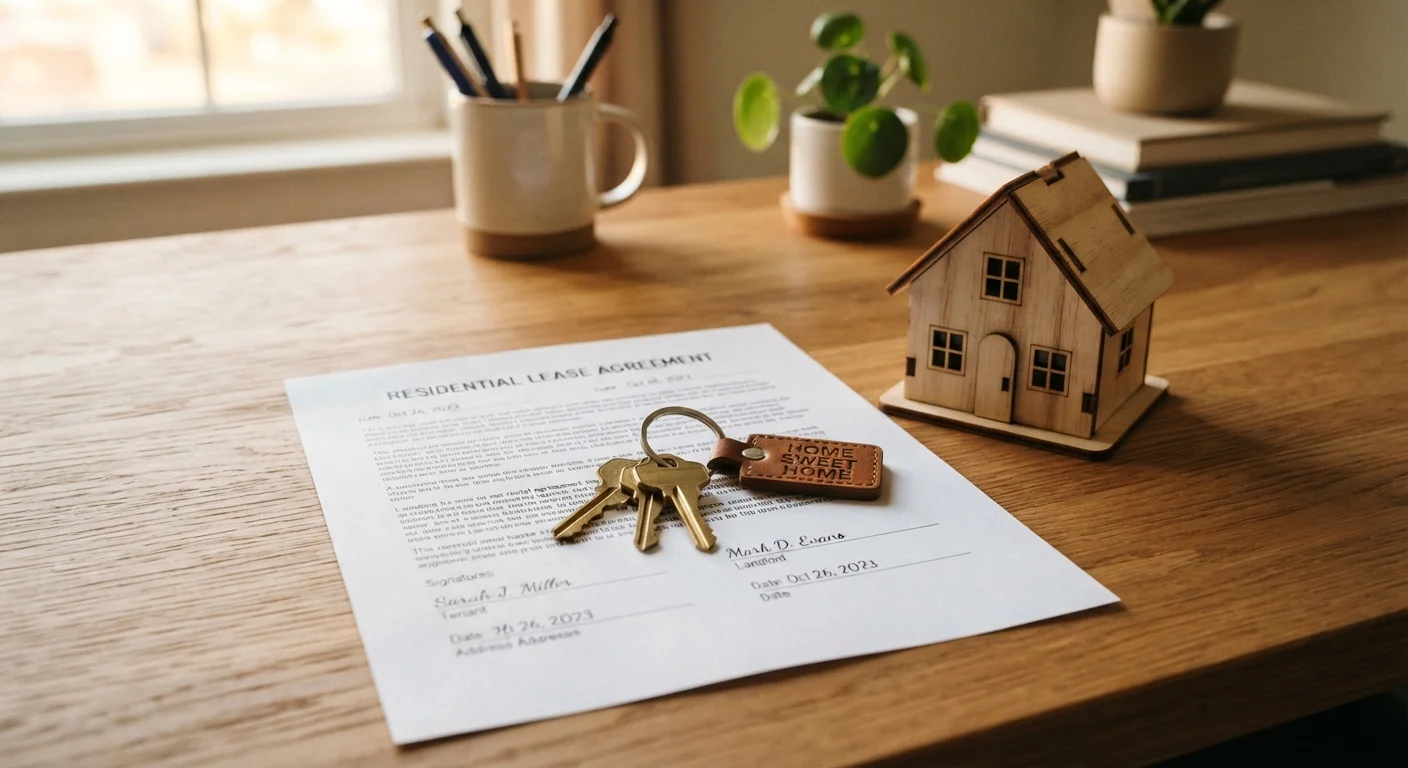
Photo credit: QuickInsights.net
In this article
Owning a rental property comes with ongoing responsibilities beyond collecting rent. A grounded introduction for new and prospective landlords.
Key Takeaways
- Gross rental income and net cash flow are very different numbers once expenses are factored in.
- Landlords must comply with federal Fair Housing laws and state-specific landlord-tenant statutes.
- Vacancies, repairs, and capital improvements are recurring costs that require financial reserves.
- A written lease drafted with legal guidance is your most important protective document.
- Property managers typically charge 8-12% of monthly rent in exchange for handling daily operations.
What Rental Income Actually Looks Like
Many first-time landlords enter the market expecting a relatively straightforward income stream. The reality is more layered. The rent a tenant pays each month - called gross rental income - is the starting point, not the endpoint. From that figure, you subtract mortgage principal and interest (if the property is financed), property taxes, insurance, maintenance, property management fees if applicable, and vacancy loss during periods when the unit sits empty.
What remains is your net cash flow, and for many landlords in high-cost markets, that number is surprisingly thin - or even negative in the short term. Rental property investment is often more valuable for long-term equity building and tax benefits than for immediate monthly income. Understanding this distinction upfront prevents the kind of financial surprise that leads to distressed sales. See our breakdown of ongoing homeownership costs for a sense of the baseline expenses before tenants even enter the picture.
Your Legal Obligations as a Landlord
Owning a rental property means operating within a structured legal framework at the federal, state, and local levels. The federal Fair Housing Act prohibits discriminatory practices in tenant selection and advertising. Most states layer additional protections on top of that baseline. Before you screen a single applicant, you should understand which characteristics are protected under the laws in your jurisdiction.
Beyond anti-discrimination rules, landlords must provide a habitable dwelling - a legal standard that typically includes functioning heat, plumbing, structural safety, and freedom from pest infestation. Failure to maintain habitability can give tenants legal remedies including rent withholding or lease termination, depending on state law.
Your lease agreement is your primary protective document. A well-drafted lease - ideally reviewed by a real estate attorney - should specify rent amount, due date, late fees, security deposit terms, maintenance responsibilities, and conditions for entry. Relying on a generic template without legal review is a common and costly mistake among new landlords.
Managing Tenants and the Property Day-to-Day
Day-to-day landlording involves communication, responsiveness, and record-keeping. When a tenant submits a maintenance request, prompt response matters both legally and practically - ignored repairs can escalate into expensive damage or legal disputes. Keeping a written log of all communications, repairs made, and money collected provides documentation that protects you if a disagreement goes to court.
Tenant screening - verifying income, reviewing rental history, and conducting a background check with written consent - reduces the risk of problematic tenancies. Applying the same documented criteria to every applicant is not just fair; it protects you against Fair Housing complaints. If your rental property ever needs significant updating before or between tenants, our guide to first renovation projects covers what to realistically expect in terms of planning, cost, and timelines.
Document Everything From Day One
Conduct a thorough move-in inspection with the tenant present, photograph every room, and have both parties sign a dated condition report. This documentation is your primary defense if a security deposit dispute arises at move-out. Store copies digitally and in writing.
Expenses New Landlords Routinely Underestimate
First-time landlords most commonly underestimate four expense categories:
- Vacancy loss: Even a single month of vacancy on an annual lease represents roughly an 8% reduction in annual rental income. Budget for it rather than assuming full occupancy.
- Capital expenditures: Roofs, HVAC systems, water heaters, and appliances all have finite lifespans. These large, irregular expenses require dedicated reserves - not just a monthly maintenance budget.
- Landlord insurance: A standard homeowner's policy typically does not cover a rental unit. Landlord-specific coverage costs more and is not optional if you want meaningful protection.
- Professional services: Accounting for rental income and depreciation, legal review of leases and eviction procedures, and occasional licensed contractor work all add up across a year.
Running a realistic cash-flow analysis - one that includes all of these line items - before acquiring a rental property is the single most important planning step a prospective landlord can take.
Deciding Whether to Self-Manage or Hire a Property Manager
Self-managing a rental property saves the management fee - typically 8-12% of monthly rent - but requires time, availability, and a willingness to handle tenant calls, coordinate repairs, and navigate legal paperwork. Landlords who live near their property, have some maintenance knowledge, and are available during business hours are better positioned to self-manage effectively.
A property management company handles tenant screening, rent collection, maintenance coordination, and, when necessary, the eviction process. For landlords who own property in a different city, have full-time careers, or simply prefer a more passive role, the fee can be worth it. Carefully evaluate what the management agreement covers and excludes before signing - not all property managers offer the same scope of service.
Whichever path you choose, treat your rental as a business from the first day. Maintain separate bank accounts for rental income and expenses, document everything, and consult qualified professionals - an attorney, a CPA, and a licensed insurance agent - before and during your time as a landlord. For broader context on the financial side of property ownership, our home-buying resource hub covers everything from financing fundamentals to closing costs.
This article is for general informational purposes only and does not constitute legal, financial, tax, or investment advice. Consult a qualified attorney, accountant, or licensed real estate professional for guidance specific to your situation and jurisdiction.
Frequently Asked Questions

Author
Real Estate Editorial Team
Real Estate Editorial Team is the collective byline for our editorial team and contributor network. Articles published under this byline or an editorial pen name are researched, written, and reviewed according to our editorial standards for clarity, consistency, and independence before publication.
View all articles →