
What to Expect During a Home Inspection-and What to Do With the Results
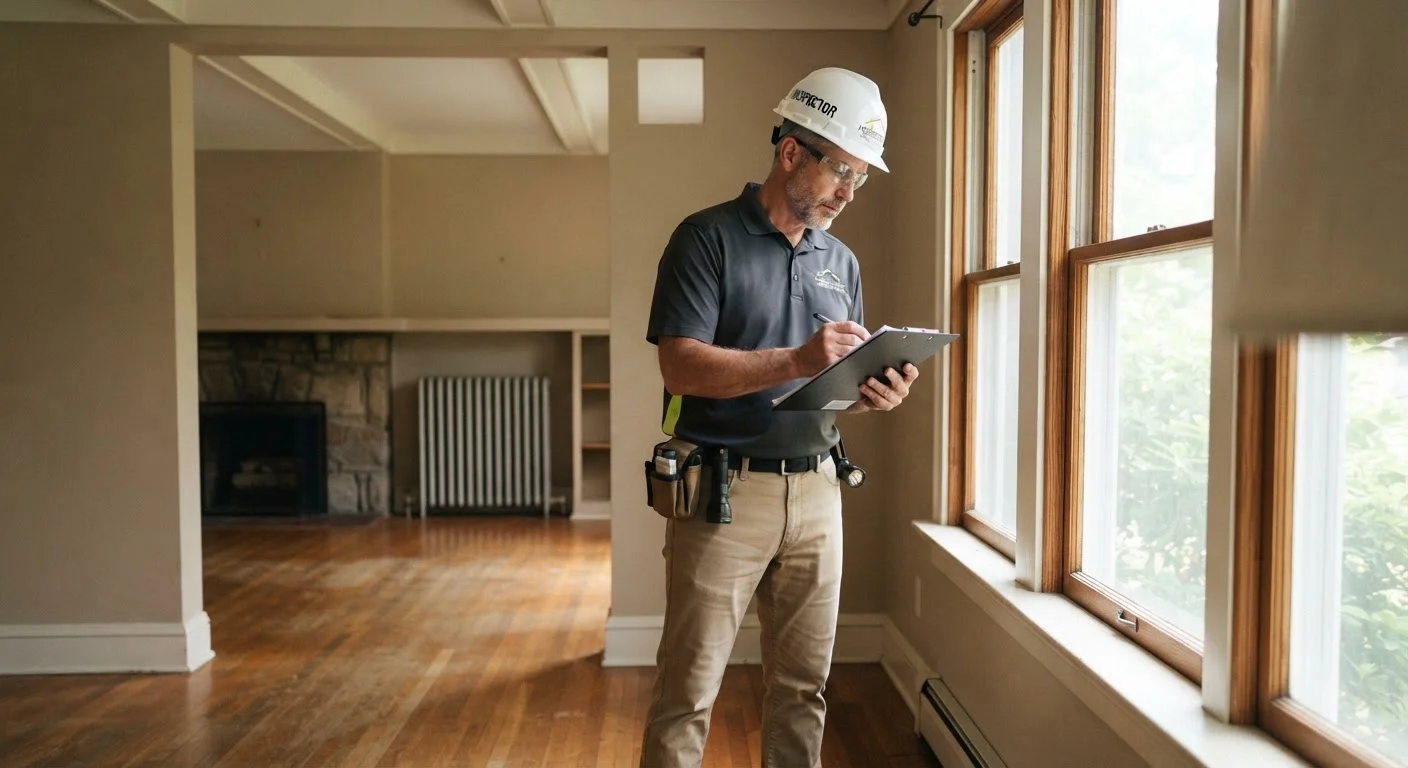
Photo credit: QuickInsights.net
In this article
Home inspections reveal more than a simple pass or fail. Learn what inspectors examine, common findings, and how to negotiate afterward.
Key Takeaways
- A home inspection is not a pass/fail test - it documents the property's current condition.
- Buyers should attend the inspection in person to ask questions and observe findings firsthand.
- Significant safety issues and major system defects carry more negotiating weight than cosmetic flaws.
- Inspection results can support repair requests, price reductions, or - in serious cases - walking away.
- Some findings require licensed specialists for follow-up evaluation, such as radon, mold, or structural concerns.
What a Home Inspection Actually Covers
Many buyers approach a home inspection expecting a simple verdict: pass or fail. In practice, an inspection is a detailed condition report - a professional assessment of what is working, what is worn, and what needs attention. Understanding this framing before you receive results helps you interpret them more clearly and use them more effectively.
A licensed general home inspector evaluates the visible and accessible components of the property. This typically includes:
- Structural components: Foundation, framing, floors, walls, and ceilings
- Roof and attic: Shingles, flashing, ventilation, and insulation
- Electrical: Panel condition, wiring type, outlets, and grounding
- Plumbing: Supply lines, drainage, water heater, and fixtures
- HVAC: Heating and cooling equipment, ductwork, and filters
- Exterior: Siding, grading, drainage, decks, and walkways
- Interior: Windows, doors, stairs, and visible finish surfaces
What inspectors cannot do is equally important to understand. They do not open walls, test behind insulation, or evaluate systems that are not accessible or operational during the visit. If the property has a pool, septic system, or buried oil tank, those items typically require separate specialist inspections.
Before you even reach the inspection stage, a thorough property walkthrough can surface visible concerns worth flagging to your inspector in advance.
What you will need
How to Hire an Inspector and What to Bring
Inspector quality varies considerably. Licensing requirements differ by state, and not all inspectors carry the same depth of training or experience. Ask candidates about their certifications, how many inspections they complete per year, and whether they carry professional liability insurance. Membership in a recognized professional organization generally signals adherence to a published standard of practice.
Not All Inspectors Are Equal
Inspector licensing requirements vary significantly by state. Ask any candidate about their certifications, professional affiliations, and how many inspections they complete annually. A low fee is not a reliable indicator of quality - an incomplete inspection can leave you exposed to thousands of dollars in surprise repairs after closing.
On inspection day, plan to be present. Attending in person allows you to follow the inspector through the property, observe findings directly, and ask clarifying questions in real time. The written report will be far more useful if you have seen what the inspector is describing.
Licensed Home Inspector
Conducts the physical evaluation of the property and delivers a written report of findings.
Your Purchase Contract
Defines the inspection period window and what rights you have to request repairs or exit the deal.
Notepad or Phone for Notes
Lets you document questions and observations during the inspection walkthrough.
Specialist Inspectors (radon, mold, structural)
Provide deeper evaluation when a general inspector flags a specific area of concern.
Reading the Report and Deciding What to Do Next
Most inspection reports run 30 to 60 pages and include photographs alongside written descriptions. A lengthy report does not indicate a troubled property - it reflects the thoroughness of the inspector and the age of the home. Your job is to triage the findings.
Prioritize Findings by Risk and Cost
Read through your inspection report by sorting items into three buckets: safety hazards, major system failures, and cosmetic issues. Focus negotiations on the first two categories - these are the findings sellers are most likely to address or credit. Minor cosmetic items rarely move the needle in a negotiation but can distract from the issues that matter most.
After separating findings by category, consider whether any items warrant a specialist's opinion before you respond to the seller. Electrical panel concerns, foundation cracks, active roof leaks, and suspected mold are common examples where a second-tier specialist report will give you the repair cost data you need to negotiate precisely rather than generically.
Once you have a complete picture, work with your agent to formulate a written response within your contract's inspection objection deadline. Your response options typically include requesting specific repairs, asking for a closing cost credit, negotiating a price adjustment, or - in the case of findings that fundamentally change your assessment of the property - exercising your right to exit the transaction.
Do Not Waive Your Inspection Contingency Lightly
In competitive markets, buyers sometimes waive the inspection contingency to make their offer more attractive. This removes your legal protection to exit the contract based on inspection findings. Before waiving, understand that you could be committing to a property with costly undisclosed defects. Consult your real estate attorney or agent before making this decision.
If the seller agrees to repairs, always require that licensed contractors complete the work and that documentation is provided before closing. For guidance on vetting those contractors, see what to verify before any contractor begins work.
Finally, remember that inspection findings on a home you are buying mirror what sellers face on their side. Sellers who prepare their properties in advance often address the same categories of issues before listing. Understanding both sides of that equation helps you negotiate with realistic expectations about what sellers are likely to accept.

Author
Real Estate Editorial Team
Real Estate Editorial Team is the collective byline for our editorial team and contributor network. Articles published under this byline or an editorial pen name are researched, written, and reviewed according to our editorial standards for clarity, consistency, and independence before publication.
View all articles →