
The Truth Behind Common Budgeting Myths
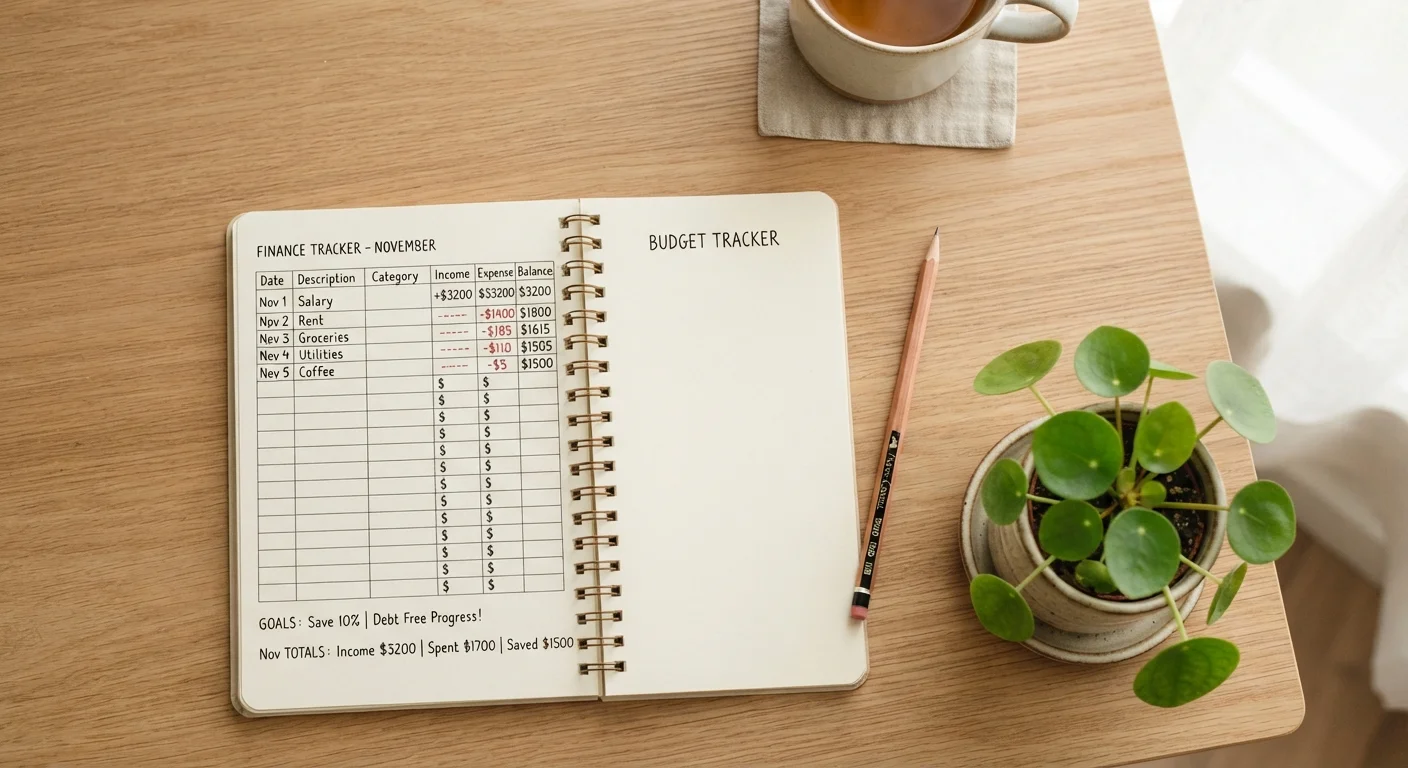
Photo credit: QuickInsights.net
From 'budgeting means never eating out' to 'you need a high income to save' — popular budgeting myths keep people from starting. Here's what the evidence actually shows.
Key Takeaways
- Budgeting is about awareness and intention, not deprivation or giving up everything you enjoy.
- You do not need a high income to start budgeting - the practice matters more than the paycheck size.
- A budget that allows occasional treats is more sustainable than one built on rigid denial.
- Spreadsheets are one tool, not the only tool - any consistent tracking system can work.
- Small, irregular income doesn't make budgeting impossible; it makes a flexible framework more important.
Why Budgeting Myths Are So Persistent
Budgeting has a reputation problem. For many people, the word conjures images of restriction, spreadsheet headaches, and giving up everything that makes life enjoyable. These impressions don't come from nowhere - they're myths that get reinforced by cultural shorthand and well-meaning but oversimplified advice.
The cost is real. When people believe budgeting is only for the financially disciplined, the high earners, or those willing to live on rice and beans, they don't start. And not starting is almost always more expensive than starting imperfectly.
Below, we address five of the most common budgeting myths - and what the evidence actually shows. For anyone who wants to go deeper, what a personal budget actually is is a useful place to ground the conversation.
Myth
Budgeting means you can never eat out, travel, or enjoy spending money.
Fact
A budget is a spending plan - and plans can include dining out, entertainment, and travel.
This is probably the most widespread budgeting myth, and it stops a lot of people from starting. The idea that a budget is a wall between you and enjoyment gets the concept exactly backwards. A budget is simply a record of where your money goes and a decision about where you want it to go.
If eating out matters to you, you budget for it. The goal is to be intentional - not punished. Budgets built on complete self-denial tend to collapse quickly, much like overly restrictive diets. Building in a realistic allowance for the things you actually enjoy makes the whole system more durable.
Myth
You need to earn a high income before budgeting is worth your time.
Fact
Budgeting is most valuable when money is tight - it ensures every dollar is working as hard as possible.
The logic sounds reasonable: once I'm earning more, I'll start tracking my money. But waiting for a higher paycheck often means spending more without building anything. Research from behavioral economics consistently finds that spending habits - not income levels - are the primary driver of whether people accumulate savings over time.
Someone earning $40,000 a year with a clear spending plan can outpace someone earning $80,000 with no plan at all. The fundamentals of budgeting apply regardless of income - because they're really about decision-making, not dollar amounts.
Myth
You have to use a spreadsheet or complicated app to budget properly.
Fact
The best budgeting system is the one you'll actually use consistently - even if it's pen and paper.
There's no shortage of budgeting apps, software subscriptions, and template libraries. But treating technology as a prerequisite keeps a lot of people on the sidelines. The mechanics of a budget - tracking income, categorizing expenses, comparing the two - can be done on paper, in a simple notes app, or with a basic spreadsheet.
What matters is consistency: checking in regularly, updating your numbers honestly, and adjusting when something isn't working. The habits that keep a budget working long-term are about routine, not software.
Myth
If your income is irregular or unpredictable, budgeting doesn't work.
Fact
Irregular income makes budgeting more important, not less - it just requires a slightly different structure.
Freelancers, gig workers, and anyone with variable pay often feel that a monthly budget is impossible. And a rigid, fixed-number budget can be frustrating when income swings month to month. But the solution is a flexible framework: budgeting from a conservative income baseline, building a buffer fund to smooth the gaps, and adjusting discretionary spending based on what actually came in.
The core principles of saving and managing money don't change with income variability - only the execution needs to flex. Many people with irregular income report that having a framework actually reduces financial anxiety, because they have a plan for both good months and lean ones.
Myth
Going over budget once means you've failed and should start over next month.
Fact
Overspending in one category is a data point, not a verdict - adjusting mid-month is entirely normal.
A single overspent category doesn't erase a budget any more than one missed workout erases a fitness routine. Budgets are living documents. When you spend more than planned in one area, you have options: pull from a different category, reduce discretionary spending for the rest of the month, or simply note it and adjust next month's plan accordingly.
Treating every slip as a failure leads to the all-or-nothing thinking that makes budgeting feel unsustainable. If your budget keeps failing despite adjustments, understanding why budgets commonly break down can help you build one that actually holds.
Putting Accurate Budgeting Into Practice
Clearing up these myths matters because the underlying principle is simple: a budget is a tool, not a punishment. It works best when it reflects your actual life - including what you value spending money on.
~40%
Americans without a monthly budget
Surveys from the National Foundation for Credit Counseling have consistently found that a large share of U.S. adults do not follow a formal monthly budget.
1 in 3
Adults report no savings cushion
Federal Reserve reports on household economic well-being have found roughly one-third of adults would struggle to cover an unexpected $400 expense from savings alone.
A realistic budget accounts for irregular expenses, allows for enjoyment, and gets adjusted regularly. It doesn't require perfection or a particular income level. It requires honesty about where your money is going and a decision about where you want it to go instead.
If you're also carrying debt while trying to build savings, it helps to separate the facts from fiction there too. Common myths about debt can stall progress just as much as budgeting myths can. And if you want a thorough, structured overview of how all the pieces fit together, the complete picture of personal budgeting covers every core aspect in plain language.
Don't Let Perfect Be the Enemy of Started
Waiting until you have the right app, the right template, or the right income to begin budgeting is itself a costly habit. An imperfect budget started today will outperform a perfect budget that never gets off the ground. Start with what you have, adjust as you learn more.
This article is for general informational and educational purposes only and does not constitute personalized financial advice. For guidance specific to your situation, consider consulting a qualified financial professional.

Author
Personal Finance Editorial Team
Personal Finance Editorial Team is the collective byline for our editorial team and contributor network. Articles published under this byline or an editorial pen name are researched, written, and reviewed according to our editorial standards for clarity, consistency, and independence before publication.
View all articles →